What rarity means in this archive
A rare pressing is not simply an expensive copy of a popular record. A collecting archive needs to distinguish the availability of an edition from the condition, desirability and price of an individual example. An unusual pressing can have little demand, while a relatively accessible edition of a highly sought-after title can attract substantial asking prices. Neither observation alone establishes a production quantity.
Hey, Losers! uses an editorial rarity scale. The catalogue below selects variants rated eight or higher out of ten. It is a transparent filter over our own records, not an independent census, an investment recommendation or a ranking derived from Discogs sales data. Ratings can change when better evidence becomes available. Where an edition has no documented rating, absence from the list should not be read as proof that it is common.
Distinguish the edition from the individual object
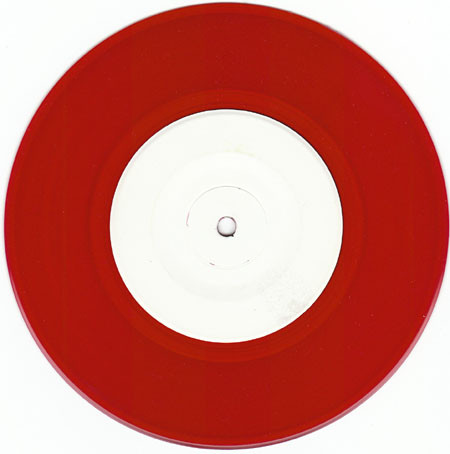
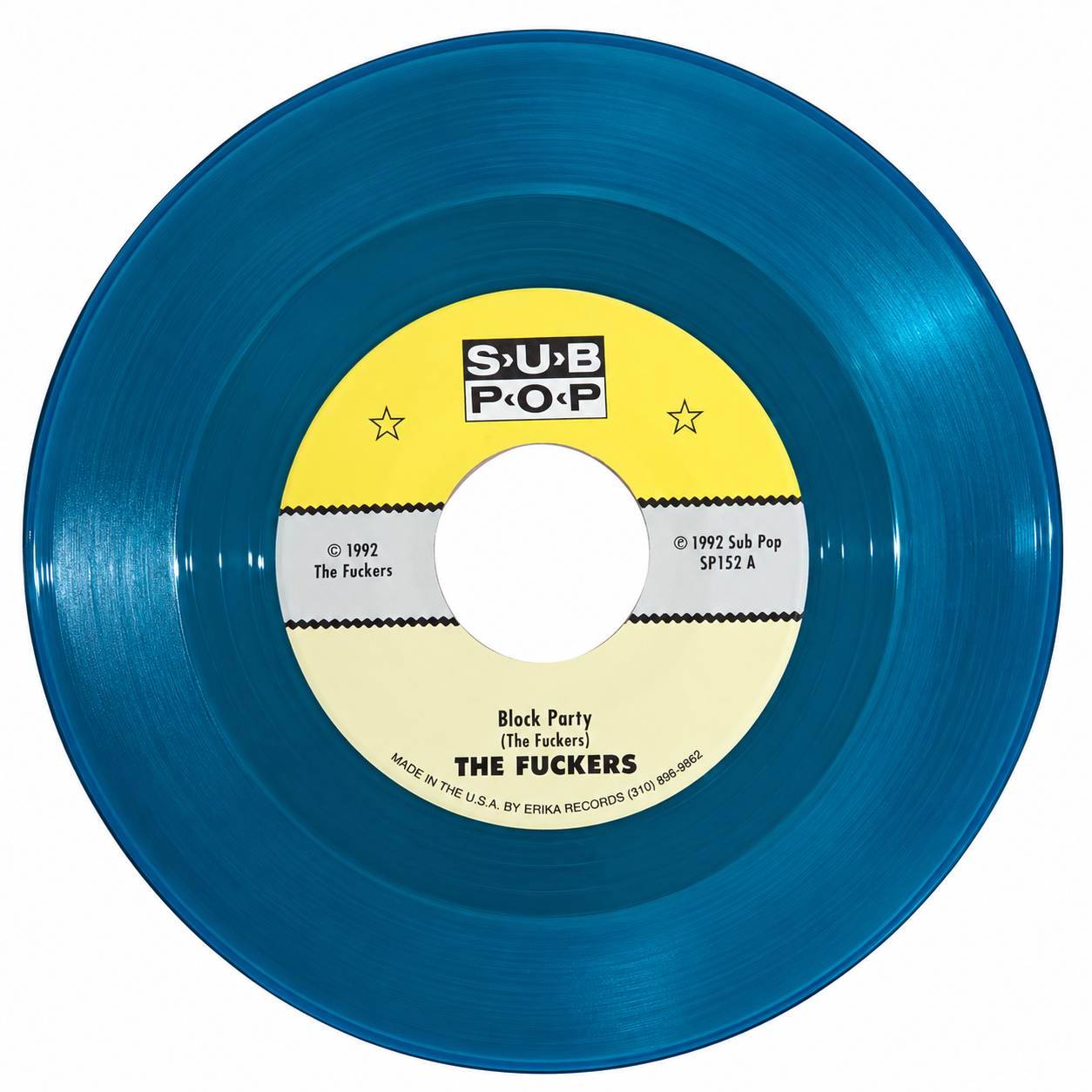
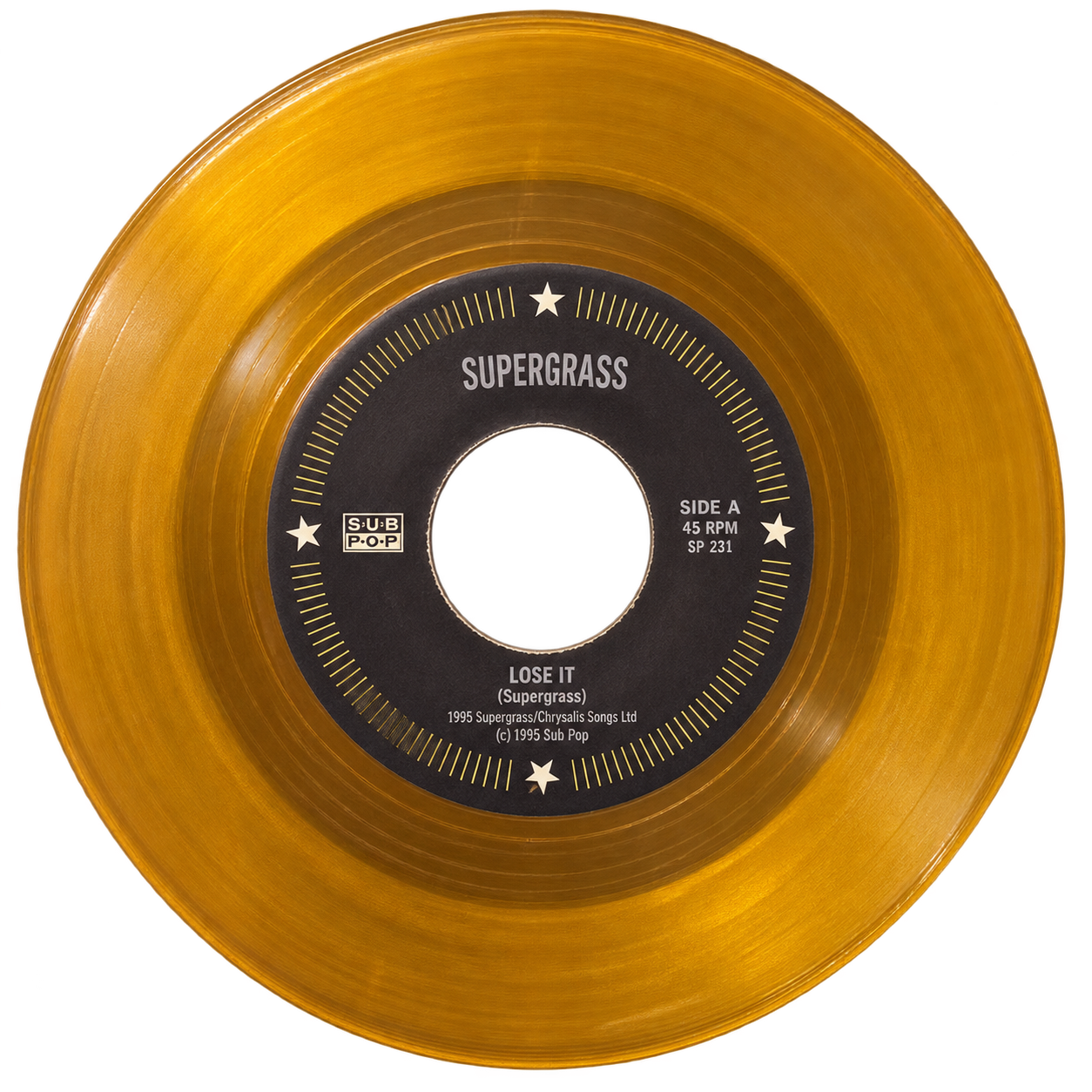
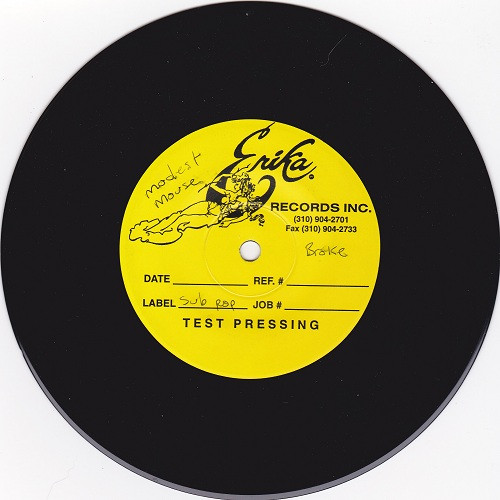
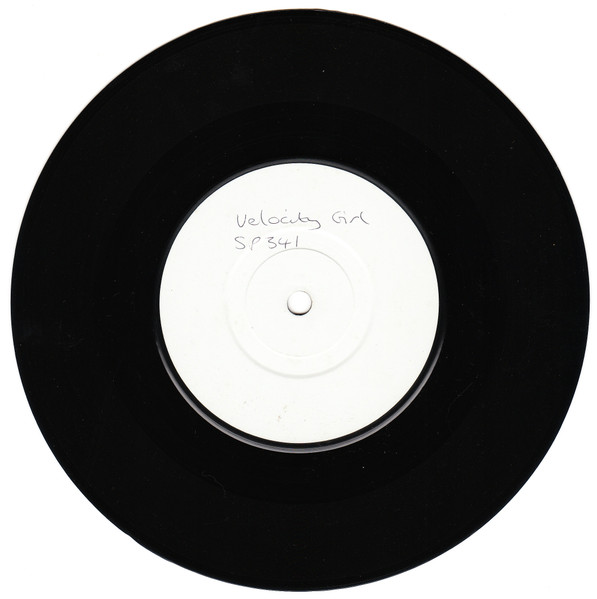
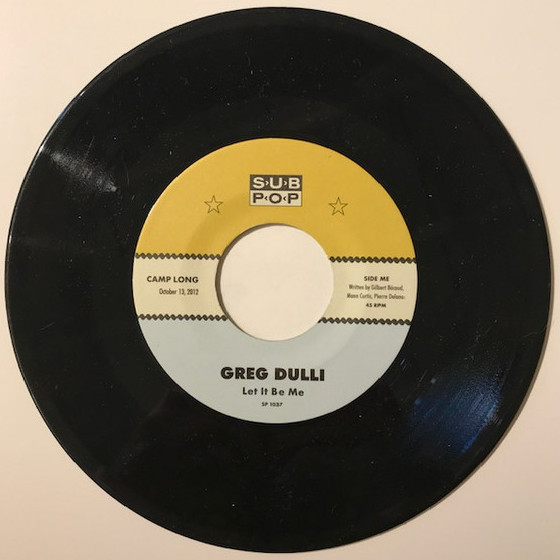
Start with the characteristics that identify the variant: colour, label design, sleeve printing and runout markings. The label’s official release page can confirm a title or a catalogue number without documenting every physical edition. A numbered sleeve may tell you something about that particular object, but the serial number is not automatically a production total. A different number on an otherwise identical sleeve is not necessarily a new pressing.
Discogs’ general database guidelines distinguish intentional editions from incidental manufacturing variations. This is a helpful methodological contrast: a specialist collector may record a visually notable anomaly even when a general discography would not treat it as a separate release. The important thing is to describe the basis for the distinction rather than to silently equate our rarity classification with a universal one.
Build a useful evidence trail
Write down what can be observed independently of the seller’s description. For example, an unusual colour can be photographed in neutral light; inscriptions can be transcribed from the object; a marked sleeve can be compared with another known copy. Keep a second field for reported information, such as a claimed pressing quantity or manufacturing story, and identify the source of the claim. If no source is available, label it as unverified.
The label’s own Singles Club discography and KEXP’s catalogue retrospective help establish where an item sits in the broader history of Sub Pop. Neither should be used as a substitute for inspection of a specific rare copy. For an important purchase, request images of the actual record and sleeve rather than accepting a stock image of the title.
Evaluate a purchase without confusing price and scarcity
An asking price is what someone hopes to receive, not evidence that a transaction occurred. When comparing examples, make sure that the pressing, completeness of the package, condition, currency and date are comparable. A worn sleeve with an otherwise desirable record is not directly equivalent to a well-preserved complete copy. Keep the two condition assessments separate and avoid presenting the archive’s estimated value as a guaranteed resale price.
Build a collection around the records you actually want to own. If an opportunity appears too good to be credible, establish the identity first and make a decision about price afterwards. A useful rarity guide is a starting point for research, not a substitute for authentication or appraisal. The following entries are deliberately not arranged as an investment leaderboard; the links lead to the underlying release records so you can examine their evidence.
Explore the archive ↗ · History on vinyl ↗ · Jump to checklist ↓