What is a test pressing?
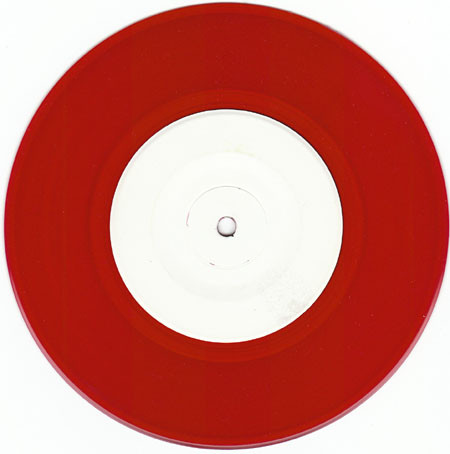
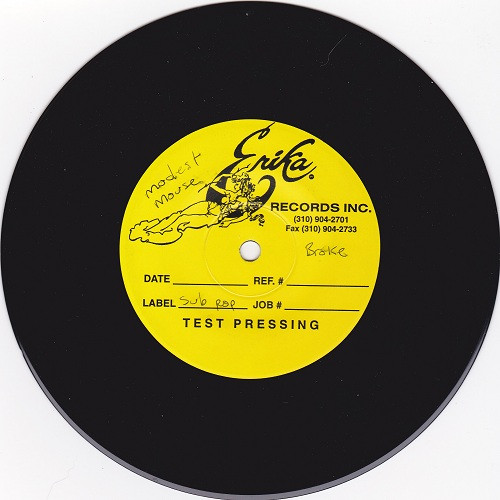
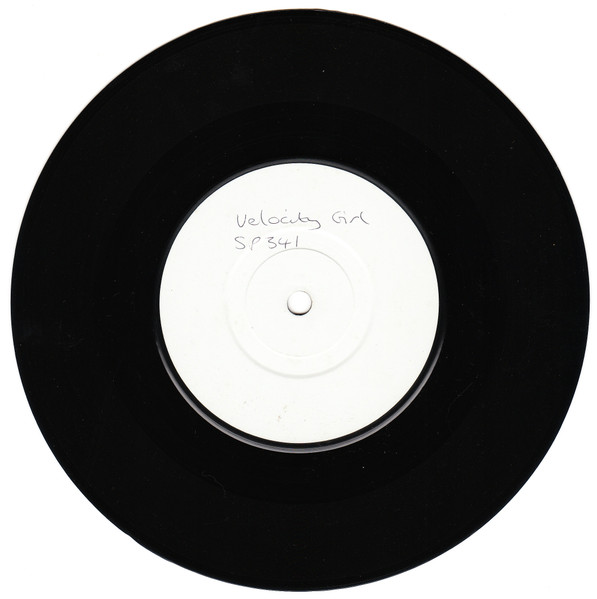
A test pressing is a sample manufactured before the main production run so that the record can be assessed. United Record Pressing describes how samples can reveal problems such as unwanted noise or skips before the finished records are made. That is a production function, not a marketing category. Test records can be exceptionally interesting to collectors because they document a stage in the making of an edition, but not every unusual-looking record comes from that stage.
There is no universal appearance that proves a Sub Pop seven-inch is a test pressing. A plain centre label, handwriting, generic packaging or an unusual colour is a reason to investigate, not a conclusion. Conversely, do not reject a documented test solely because it does not resemble another label’s samples. Manufacturing and handling practices can vary between plants and projects.
References: [1]
Test pressing, promotional copy or something else?
Ask which role the object actually served. A promotional copy may have been distributed to radio, press or other recipients without being a production test. A commercial record with a label error can be interesting without being a test pressing. A lacquer belongs to a different stage of manufacture and should not be casually described as the same object. Discogs’ format guidelines are a useful reference for distinguishing such categories; our archive also documents collector-relevant differences without necessarily treating each one as a separate commercial edition.
If the seller cannot explain why a particular item was classified as a test pressing, request evidence instead of paying a premium on the basis of the label alone. The safest description for an unresolved example is an unidentified or reported test pressing, not an authenticated one.
Read the runout before trusting the sleeve
Start with the candidate retail release and compare the markings near the centre of both sides. Transcribe the complete inscriptions rather than only the recognisable SP catalogue number. Note whether characters are stamped or handwritten, and photograph them from several angles when necessary. The runout may include production identifiers beyond the catalogue number. A matching inscription is useful evidence of a relationship to a particular cut, but cannot by itself prove when or why a particular copy was manufactured.
Retain any plant labels, dated notes, original packaging or correspondence that came with the item. These clues can support its origin when they are consistent with one another. A documented chain of custody is particularly valuable where two records look alike. If the evidence conflicts, record the conflict and investigate rather than choosing whichever explanation makes the record more valuable.
How many copies exist?
Do not assume that every test pressing was made in the same quantity. The number originally ordered, the number actually produced and the number still in collectors’ hands are separate questions. Even a reliable original quantity does not establish how many survive. For a specific Sub Pop title, seek an attributable production record, statement from a participant or other credible evidence before presenting an exact quantity as confirmed.
The checklist below selects records explicitly labelled as tests in our archive. It does not certify authenticity, verify all reported quantities or imply that absent titles never had tests. When making a purchase, assess the specific item, its condition and its provenance separately. An unknown quantity is not a reason to invent one, and an expensive listing does not resolve an uncertain identity.
Explore the archive ↗ · History on vinyl ↗ · Jump to checklist ↓